The Jersey Moving Pro Philosophy on Exceeding Expectations
Relocating exposes the truth about a service company. You learn who respects time, who understands homes, and who treats a job as more than hauling boxes. Over years coordinating transfers across New Jersey neighborhoods and through every kind of weather, I’ve come to believe exceeding expectations boils down to a handful of disciplined habits. It shows up in the way a foreman checks the hallway turns before he touches a sofa, in the way a dispatcher reroutes a truck around a Giants game in the Meadowlands, and in how a coordinator calmly reorganizes a packing plan when a seller pushes closing by forty-eight hours. It’s not one grand gesture. It’s a hundred small, careful decisions.
What exceeding expectations actually looks like on relocating day
People often assume excellence means speed. Speed matters, but only after you’ve built the right plan and the right protections. The best crews move with an economy of motion that comes from preparation, not hustle. That preparation starts a week or two before the truck shows up. A site survey, even if virtual, will catch common hazards: a 32-inch interior door for a 34-inch fridge, a third-floor walk-up with an awkward dogleg, or a narrow driveway on a winter morning that will glaze with black ice before sunrise. Good movers put those details into the schedule and the load order so the day runs clean.
On the morning of, exceeding expectations looks like taping down neoprene runners before the first dolly touches wood floors. It looks like mattress bags that actually fit, not jury-rigged shrink wrap that tears on the stoop. It’s labeling that creates sense when you’re exhausted at 8 p.m., not only to the crew but to you: “Kitchen - upper left cabinet - daily mugs.” These are small decisions, and they prevent the cascade of problems that turns a shift into a slog.
The discipline of accurate estimating and clear scope
Underestimating is the quickest path to unhappy surprises: extra trucks, extended hours, and teams spread thin. An experienced coordinator will ask about attic storage, shed contents, and the overstuffed guest-room closet that “isn’t much” but somehow becomes twenty boxes. They’ll break down cubic footage by room, not just give a lump-sum guess, and they’ll flag specialty items: safes, treadmills, recliners with power cords that need to be fished out before loading.
Why do binding moving estimates matter? Because they align incentives. When a company provides a number that holds unless you add scope, they’re saying we’ve listened carefully and we’re confident. It sets the tone for everything that follows. A realistic time window is part of that promise. Crews that arrive on time give you space to breathe, and if weather or traffic threatens that window, real-time updates keep everyone on the same page.
Jersey Moving Pro and the craft of handling homes
The first time I watched a crew carry a 700-pound gun secure out of a Maplewood basement, it changed how I thought about moving. Done right, it’s choreography. The lead had already measured the bulkhead, chalked the pivot point, and taped the corners along the egress to prevent brick from scraping the powder-coated finish. Three movers worked in sequence via a heavy-duty dolly, ratchet straps, and a fourth spotter calling out each step. Few words, precise transitions, no drama. That’s the level of quiet competence I associate using Jersey Moving Pro, and it shows up across their jobs, from Essex County colonials to new builds in Somerset.
The brand philosophy is easy to spot when you see floor protection go down before the first box movers in east brunswick nj moves, or when the foreman walks through the home, making notes about loose banisters and low-hanging fixtures that need a blanket wrap. They work like people who have paid for their own mistakes before and learned the cost of a sloppy shortcut.
County by county, and why local nuance matters
Bergen County relocations are a unique test. Streets can narrow without warning, and some older towns restrict truck sizes on residential roads. Parking reservations, coned spaces, and staging the load on a smaller shuttle truck often make the difference between a smooth morning and a wasted hour. I’ve seen crews lose time circling Englewood blocks that look wide on a map but choke at rush hour. The teams that thrive there pre-walk the block, coordinate through neighbors, and prepare a staging area that won’t block a school bus at 7:30 a.m.
In Essex County, the challenges shift. Old homes, tight staircases, heavy radiators near the landings. Crews that handle Essex well bring extra corner protectors and relocation padding in bulk, not piecemeal. They disassemble sectional sofas that many homeowners assume will turn the corner, then reassemble them at the destination without loose fittings or missing brackets. Union County adds density and permitting, especially along rail hubs where you fight both commuters and delivery vans for curb space. Knowing municipal quirks reduces friction, and on moving day friction is what burns the clock.
Passaic County relocations test patience on hills and cul-de-sacs. You learn to watch weather, because a light rain on a steep grade turns into a skating rink. In Monmouth and Ocean, I’ve seen beach house transfers complicate through windblown sand and salt air. Teams load in a way that prevents grit from rubbing against finishes, and they use marine-grade shrink wrap for patio furniture if the truck is staged outside for a while. Down in Atlantic and Cape May counties, summer dates compress into a few high-demand weekends, through bridges and seasonal traffic to plan around. The best schedules there build early starts and generous buffers.
Handling the heavy and the delicate without drama
Specialty items define professionalism. A treadmill, deceptively simple, can become an injury if you don’t lock the belt, secure the arms, and lift at the right angles. Ellipticals require a wider door path than many rowhomes allow, so a crew needs to strip handlebars, sometimes the flywheel cover, and protect sensor wiring. Exercise bikes are easier to move but easy to scratch, so blankets and strap placement matter.
Safes and vaults require steel dollies with high load ratings and ramp boards to cross thresholds without crushing them. Chandeliers demand soft hands and patience. A seasoned packer will wrap arms separately, remove bulbs and crystals, and use double-walled cartons with hanging support when appropriate. For art and grandfather’s collections, what often matters most is humidity control and how cartons are stacked so vibration and compression don’t transfer along delicate frames. Leather furniture calls for breathable wraps, not plastic that traps moisture on a humid July day. The worst outcomes I’ve witnessed came from personnel rushing leather couches in plastic from a cold truck into warm air, then discovering condensation and imprints hours later.
Kitchens expose the gulf between amateur and pro. A professional packing service will sort by weight and fragility, build plate bundles through paper between each piece, protect knives using sleeves, and clearly label boxes by cabinet zone. The crew that packs the kitchen the day before has the move won before it starts.
Jersey Moving Pro’s approach to protecting what can’t be replaced
When you watch Jersey Moving Pro wrap a dining room set, you notice the order of operations. Table leaves come off first and get wrapped flat in cardboard sleeves. Chairs are padded top to bottom, then shrink wrapped to keep pads tight without putting plastic directly on wood. Table legs are protected with corner blocks fashioned from folded pads, not just a quick spiral of tape. Mattresses go into trapezoidal bags sized to the mattress, not stuffed into something close. These choices prevent scuffs, dings, and the heartbreak of a gouge on a table that hosted twenty Thanksgivings.
Appliances bring their own checklists. Refrigerators need to be emptied, shelves removed or secured, and water lines capped. A good team will ask you to unplug 24 hours ahead so the ice maker can defrost, reducing risk of leaks on the truck. Washers require transit bolts to lock the drum. Dryers may need a gas disconnection by a licensed tech, and if not, at least a careful shutoff and cap. It’s the difference between getting to one's new place ready to hook up, or calling an emergency technician because a line was yanked.
When a sofa doesn’t fit: the right way to disassemble and reassemble
Sectionals are puzzles. Matching labeled brackets, corner units, recliner components, and power connections saves time at destination. A smart crew photographs the bottom of each piece before removing hardware, then bags screws and clips by section. Reassembly isn’t an afterthought. A sectional that sits a half inch off the wall because a bracket was reversed becomes a daily annoyance. A detail-minded foreman will square the alignment, level the feet, and make sure the corner unit doesn’t wobble on a slightly uneven floor.
Scheduling around real life: school breaks, holidays, and universities
Moves clump around school calendars and holidays. Families aim for spring break or the early weeks of summer to minimize disruption. The calendar looks roomy on paper, then half of New Jersey wants the same Saturday. The solution is a mix of extended hours and flexible crews. Evening load-outs can work well in summer, with cooler temperatures and less street congestion. Winter brings its own rhythm. Snow squalls near the Watchung ridges have ruined more than a few 9 a.m. start times. Companies that build weather contingencies into their week avoid last-minute cancellations and miserable crews.
University zones, like near Rutgers or Princeton, require hyper-local timing. Parking disappears after 8 a.m. around Nassau Street. Scheduling a 6:30 a.m. arrival to grab curb space can feel antisocial, but it saves you from circling for thirty minutes while the clock runs hot. Background-checked employees are table stakes when moving in and out of student housing, where you’re navigating shared spaces, steep stairs, and lots of bystanders.
The quiet value of modern trucks, equipment, and clean presentation
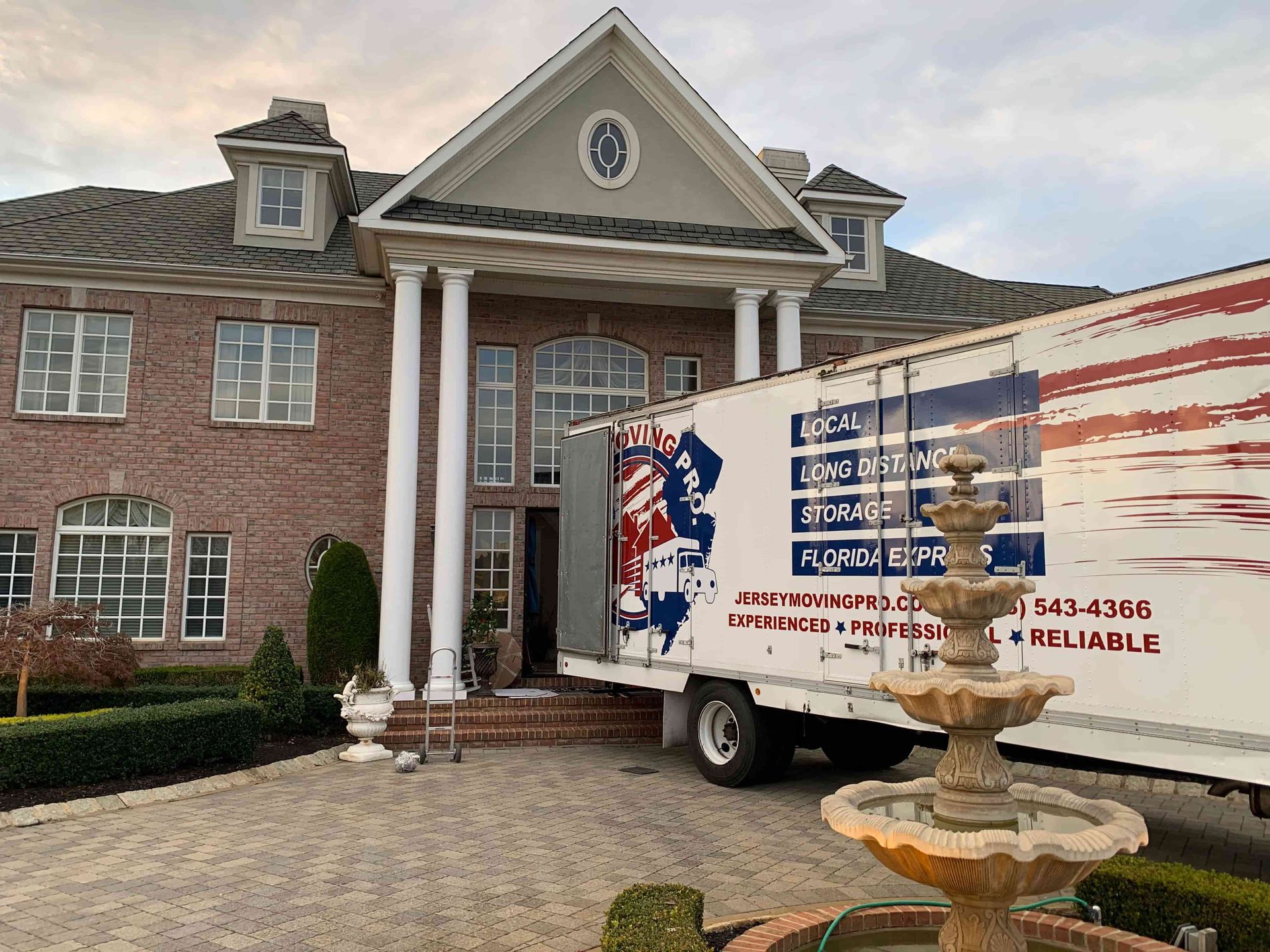
Clean, modern trucks aren’t just about branding. Newer liftgates lower smoother. Tie-down points are intact. Suspension rides softer, which protects everything on the road. Professional dollies with intact wheels glide over thresholds without leaving marks, and a full set of tools avoids that awkward moment when a crib needs a square bit and no one has it.
Furniture padding is the unsung hero. You need enough for the entire load, not a dozen blankets that get shuffled from item to item, risking unprotected moments. When pads stay on from room to truck to room, you skip the micro mishaps that add up. Real-time updates aren’t flash, they are fundamental. A quick text that the crew hit traffic around Newark Liberty Airport or that they’re stopping for fuel only takes a minute, but it buys trust.

Eco-minded transfers that still protect your things
There’s a balance between eco-friendly practice and full protection. Reusable crates reduce cardboard waste for book-heavy homes, and wardrobe boxes can be delivered, used, and picked up again. Thick moving pads serve for hundreds of jobs when maintained. Plastic has a role, but a restrained one: shrink wrap belongs on the outside of pads to secure them, not directly against wood on hot days. Recycling broken-down boxes at the destination is simple, and if the truck loops back through the neighborhood, pickup can be coordinated.
The art of decluttering without derailing the schedule
Decluttering before a move isn’t about perfection, it’s about removing what you won’t pay to relocation. A reasonable goal is to cut 10 to 20 percent by volume, which can trim an hour or more from a medium job. The pitfall is tackling sentimental items the week of the move. That’s how you end up sitting on the floor flipping through photos at midnight with half the house still to pack. Start early, and if you can’t, contain the decision fatigue. Label a couple of “decide later” bins, and don’t let them expand.
Here’s a short, practical pre-move sort that works in real homes:
- Pull duplicates from kitchens and linen closets: extra mugs, chipped plates, worn towels. Consolidate books: keep favorites and reference, donate paperbacks you won’t reread. Scan loose paperwork, shred what’s sensitive, recycle the rest. Test small appliances. If it hasn’t worked right in a year, it won’t improve in the new house. Pare down kids’ toys with them present, choosing a set that fits one large bin.
Books, libraries, and the weight that sneaks up on you
Books look harmless until you lift a box that weighs as much as a small anvil. Professionals pack them in smaller cartons or split rows through pillows or linens to distribute weight. Spines face down or alternating up and down, via paper fill to prevent shifting. If you own rare editions, share that early. They may ride in the car or in climate-considered sections of the truck. Labeling by shelf sequence helps when re-shelving in the new place, especially if any system is more complex than genre.
Managing complex schedules, closings, and storage gaps
Real life doesn’t always align closing dates with truck schedules. Sometimes you get a three-day gap that forces an overnight hold or short-term storage. That’s where a network across the Garden State helps. A warehouse through inventory control can hold a load vaulted or on a segregated truck, then deliver when keys are available. The details matter: items remain padded in storage, hardware bags stay taped to their base furniture, and the manifest tracks every piece so nothing goes missing between moves.
In the course of peak months, stacking two partial moves on one truck can save time and budget, but it only works with clean labeling and an honest appraisal of cubic footage. When done poorly, crews unload half a truck to reach your couch, burning time. When done well, load order mirrors the delivery sequence.
Why extended hours and on-time arrivals build calm
Life does not pause so you can relocation. Work, kids, and the last-minute fixes the buyer demands continue. Extended hours give you options: after-work packing the night before, or early starts that beat heat and traffic. On-time arrivals are a courtesy, but they’re also operational discipline. If a company displays up when they said they would, moves steadily without frantic energy, and wraps within the predicted window, your stress declines. You can attend to the things only you can do, while trusting the heavy lifting to the crew.
Jersey Moving Pro’s standard for people you can trust in the home
People, not trucks, deliver service. The best companies run background checks as a baseline, then invest in training that sticks. You can see the difference in how a junior mover is coached to lift via legs, how to set a dolly in motion without scuffing baseboards, and how to communicate clearly in tight spaces. Jersey Moving Pro runs crews that speak up when a plan needs to change. When a leather sectional needed to go over a second-floor balcony in Short Hills because the stair angle lied to us, the foreman paused the team, briefed the homeowner on options, built a padded path, and executed safely. No bravado, just competence.
Written contracts for every relocation should be non-negotiable. Scope, inventory highlights, valuation coverage, and any extra services are clear. Comprehensive liability insurance isn’t the same as a handshake, and it becomes real when the unforeseen happens. I’ve seen even the best crews face surprises: a rotten porch step that gives way, a hidden masonry nail that snags a blanket. The difference is in how the company responds, not whether they pretend perfection is possible.
Communications that keep your day on track
Real-time moving day updates are an understated luxury. A text on departure, an ETA refreshed if the Parkway clogs near exit 145, a heads-up before arrival so the building elevator can be reserved. During load, a simple tally keeps you informed: boxes done by room, big pieces wrapped, appliances prepped. When a tenant elevator in Montclair went down mid-relocation, the dispatcher at Jersey Moving Pro navigated building management while the crew adjusted load order and kept momentum. That kind of orchestration limits downtime and defuses anxiety.
When the weather turns and you still have to move
New Jersey throws curveballs: nor’easters that dump slush just as you need footing, heat waves that push trucks over 100 degrees inside. The only defense is preparation. Crews who move in all seasons carry salt, rampless boards for traction, extra runners, and fresh towels to wipe condensation from wrapped furniture. In the course of heavy rain, padding and plastic are deployed in layers so water never touches wood or upholstery. On hot days, crews rotate to stay sharp, because fatigue breeds mistakes. The job is to shift you, not to tough it out at any expense.
The practical value of customized plans, not cookie-cutter moves
No two homes are the same. A Cape in Morris Township with a low-ceiling basement needs different tactics than a loft in Jersey City via a long hallway and an elevator policy that fines if you miss your slot. Customized transferring plans are about sequencing and tools. Load the basement gym last because it’s closest to the truck, or first because you need that space cleared for staging. Bring a second set of wardrobe boxes so closets unpack faster on arrival. Small choices save large amounts of time.
Payment plans for large moves can help families bridge between sales and purchases, particularly if storage is involved. They also force a company to think candidly about cash flow and scheduling, which leads to more reliable staffing and on-time performance. When a company is healthy operationally, the service feels calm.
Jersey Moving Pro in the field: case notes from the Garden State
A late-spring relocation in Livingston tested every part of the plan. The seller pushed closing by a day after a title hiccup. The move had already started packing. Jersey Moving Pro reflowed the load, staging high-priority items on rolling racks that could be secured overnight, and locked the rest in a truck bay. They provided a written update to the inventory and delivered the next day, on time, with the same crew for continuity. The homeowner got what mattered most: predictability.
Another day, a Newark Liberty flight delay held the homeowner until evening. Rather than idle, the crew moved at a measured pace, sent photo updates of progress, and prepped rooms for next-day assembly. The payoff came in the morning. Beds assembled, kitchen boxes stacked by zone, and a thoughtful placement of rugs before furniture went on top so nothing had to be lifted twice.
The standard of care for nurseries, bedrooms, and the personal spaces that matter
Nursery furniture asks for gentle hands. Crib hardware is easy to misplace and hard to replace quickly. Bagging, labeling, and taping hardware directly to the headboard or base rails prevents scavenger hunts. Drawers in dressers should be removed or secured based on weight and construction. A good mover knows when to lift a dresser empty and when its frame can handle transport through contents. For wardrobes and armoires, remove shelves and protect glass fronts using cardboard sheets under the pad wrap.
Mattresses deserve their own mention. Bags that fit, sealed edges, and vertical loading keep them clean and prevent warping. If the loading angle forces a flex, the crew adjusts rather than forcing it. Protecting mattresses seems trivial, until a rain-soaked bag tears at the truck door and you spend your first night washing a mattress you can’t fit in the machine.
Why real estate agents recommend crews they trust
Agents live by referrals, and they notice who solves problems quietly. The most common feedback I hear when agents recommend a mover is simple: they show up on time, they don’t spook buyers by turning a hallway into a tangle of pads and tape, and they stay calm when something unexpected happens. When a mover consistently does that, their name travels. It’s not about kickbacks or promotions. It’s about reducing risk for everyone involved in a complicated day.
The long view: relationships and reputation
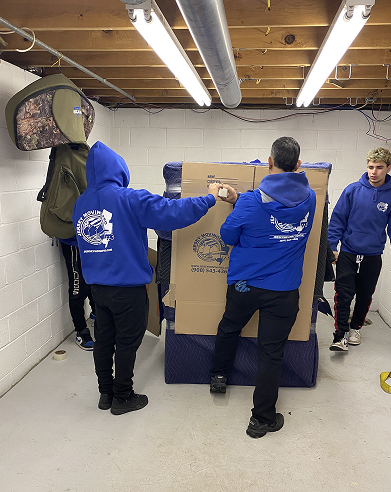
The best moving companies think beyond the next job. They invest in training, maintain modern trucks so breakdowns don’t cascade into your schedule, and keep a bench strong enough to handle overlapping peak days without borrowing exhausted crews from other jobs. They document lessons learned. A broken finial on a chandelier becomes a case study that changes how fixtures are packed. A near miss on a tight staircase inspires a new measuring protocol.
That steady improvement is what I see in Jersey Moving Pro. Crews that return season after season carry hard-won habits forward. Dispatch refines routes based on roadwork near the Pulaski Skyway or the lift bridge schedules around the Raritan. Operations adjusts equipment levels based on demand for safe and vault transfers in certain neighborhoods. It’s a living system.
A brief, battle-tested checklist for moving day calm
Use it if it helps, ignore it if you’ve already got your own rhythm:
- Confirm elevator reservations and truck parking two days prior. Photograph valuable items before wrapping. Pack a clear “first night” bin: meds, chargers, basic tools, towels, bedding. Empty and defrost the fridge 24 hours ahead, cap water lines. Walk the home through the foreman at start and finish, noting anything delicate.
What excellence feels like at 7 p.m., when the crew leaves and the house is quiet
You’ll know a move exceeded expectations by what you don’t feel. You don’t feel dread opening boxes because labels make sense. You don’t notice your floors because they look untouched. You don’t hunt for hardware bags because they’re taped where they belong. You’re tired in the way you feel after a long drive, not wrung out from chaos. And you remember small kindnesses: a mover who asked where to place your child’s favorite stuffed animal so it wouldn’t get lost, a foreman who moved a rug two inches so the couch sat just right, a dispatcher who texted that the truck was five minutes away so you could leash the dog.
That’s the philosophy in action. It lives in the details, carries across counties, and holds up under pressure. It’s the difference between getting your things from one place to another and being cared for along the way. Jersey Moving Pro has built a name on that difference, and when you watch a seasoned crew at work, you see why.